Silicone rhinoplasty, alar reduction and thin nasal tip correction by our surgical team
Raises the nasal bridge in proportion to your face with US-made medical-grade silicone, narrows flared nostrils and reinforces a thin nasal tip with your own ear cartilage. Planned from your actual anatomy after a consultation with the doctor.
Which type of rhinoplasty suits you
A good-looking nose is one in proportion with the forehead, eyes and chin, not the highest nose. The consultation therefore begins by identifying whether the issue is a low bridge, flared tip, thin tip or crooked bridge. The implant is a soft medical-grade silicone made in the United States and registered with the Thai FDA, which the surgeon carves to fit each person's nasal bone. If the tip skin is so thin that an implant could push against it and cause redness or extrusion over time, the doctor will recommend cushioning the tip with cartilage from behind the ear. Nostrils that flare clearly beyond the inner corners of the eyes can be corrected with an alar reduction in the same operation.
Nasal procedures at the clinic
| Procedure | How it is done | Suits |
|---|---|---|
| Closed rhinoplasty | Incision inside the nostril; the implant is placed beneath the periosteum with no external scar | A low bridge with a well-proportioned tip and nostrils. 45–60 minutes |
| Open rhinoplasty | A small incision across the columella gives a clear view of the structures for detailed adjustment of tip and bridge | A crooked nose, a tip needing major reshaping or revision of a previous rhinoplasty. 1.5–2.5 hours |
| Alar reduction | Excess nostril tissue is removed at the alar crease and closed with fine sutures | Nostrils flaring beyond the inner eye corners; alone or with rhinoplasty |
| Tip support with ear cartilage | Cartilage is harvested from behind the ear through an incision hidden in the fold and used to cushion the tip | A thin tip, redness over an existing implant, or wanting a natural-looking tip |
Preparing for surgery
- Basic blood tests: haemoglobin, clotting and infectious disease screening
- Stop aspirin, ibuprofen, fish oil, high-dose vitamin E, ginseng and ginkgo for at least 2 weeks; ask the doctor before stopping any regular medication
- No smoking or alcohol for 2 weeks
- Postpone if you have a cold, sinusitis or inflamed acne on the nose
- On the day, wear no make-up, choose a front-opening top and arrange for someone to take you home
Surgery day
Swelling and recovery
Risks to be aware of
- Bleeding or a haematoma under the skin in the early days
- Infection; in some cases the implant must be removed and 3–6 months allowed before redoing the procedure
- A crooked, displaced or ill-fitting implant, correctable by revision surgery after 6 months
- Thinning or redness of the tip skin over the long term, particularly when the implant is too high for the underlying structure
- A scar at the base of the nostril, which generally fades in 3–6 months but may become raised in people prone to keloids
- Temporary numbness of the tip lasting several weeks
Pain that increases after day 3 instead of easing, one-sided redness, heat and swelling, pus or an odour, fever, a tip that turns pale white or dark, or bleeding that does not stop after 10 minutes of pressure. These need to be examined by the doctor the same day.
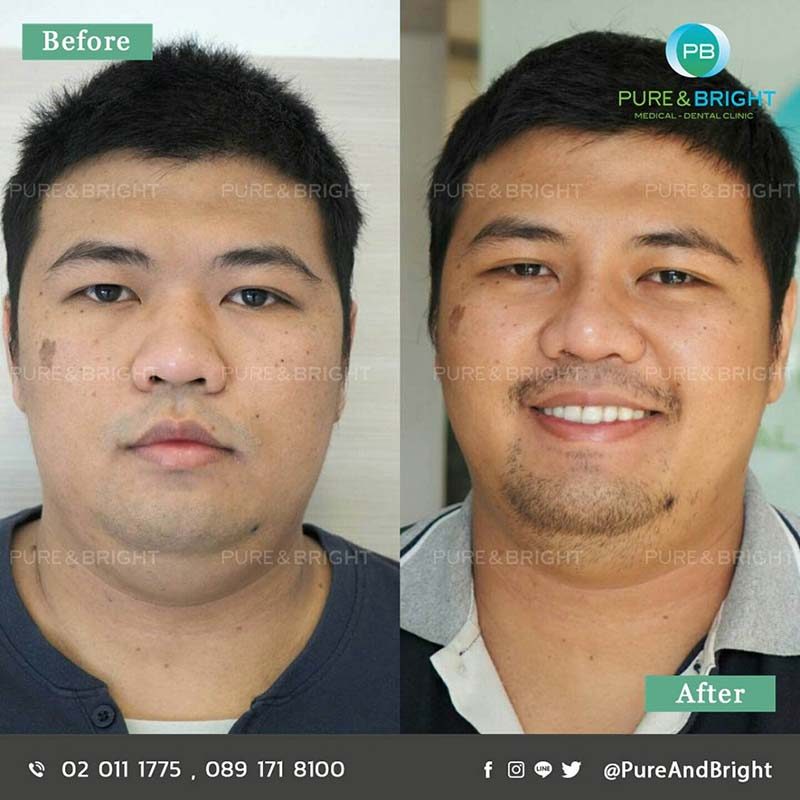
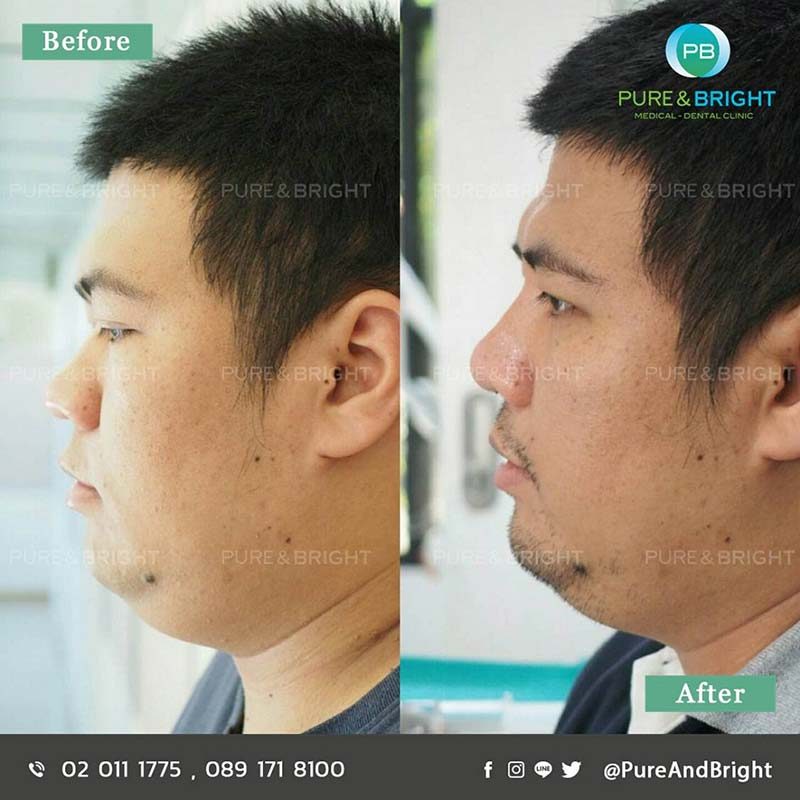
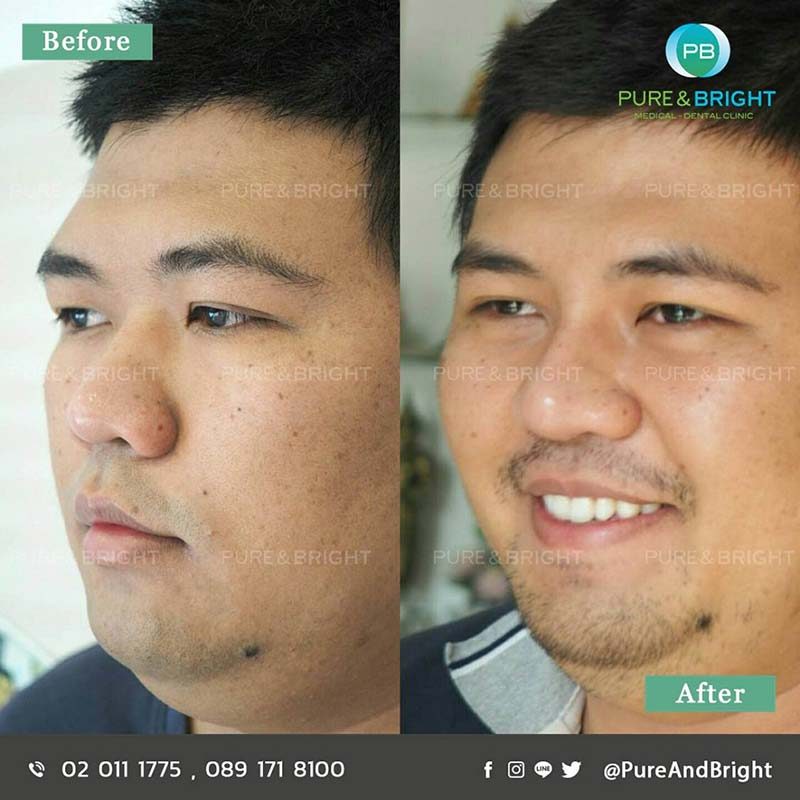
Results from our patients
Frequently Asked Questions
Does rhinoplasty hurt? Do I need a general anaesthetic?
Most cases use local anaesthetic with sedation, so there is no pain during the procedure. Once the anaesthetic wears off there is a dull ache for 1–2 days, controlled with painkillers. Complex open-technique cases may be considered for a general anaesthetic at a partner hospital.
How long does the silicone last?
Silicone does not dissolve, and most implants last for decades when they fit the underlying structure. However, the skin and facial structure change with age, so some people later want an adjustment, or need removal if the skin thins or an infection develops. Results therefore vary from person to person.
Will an alar reduction leave a visible scar?
The incision sits in the crease at the base of the nostril, which is already a natural fold. In most people it fades until hard to notice within 3–6 months. If you have a history of keloids, tell the doctor beforehand, as the scar is more likely to become raised.
I am unhappy with a previous rhinoplasty. Can it be revised?
Yes, but the tissues should be allowed to heal for at least 6 months after the previous operation. Revision usually uses the open technique and may need ear cartilage for support. The doctor will assess the skin and existing scar tissue before telling you how much can be achieved.
 WhatsApp
Related services
Cosmetic Surgery
Nose, chin, eyes, dimples, lips, breasts, fat grafting and liposuction by our surgical team
Skin & Laser
Melasma, freckles, dark spots, acne, acne scars, pores, hair removal and mole removal with multiple laser systems
Injectables & Skin Rejuvenation
Anti-wrinkle injections, HA filler, skin boosters, collagen stimulators, PRP and fat-dissolving injections