Targeted liposuction to reshape areas that exercise will not shift. Not a weight-loss method
Removes localised fat deposits on the abdomen, waist, upper arms, thighs or under the chin with the tumescent technique, assisted by ultrasound, RF or laser to break down the fat. Suits people whose weight is stable but who have areas they cannot control.
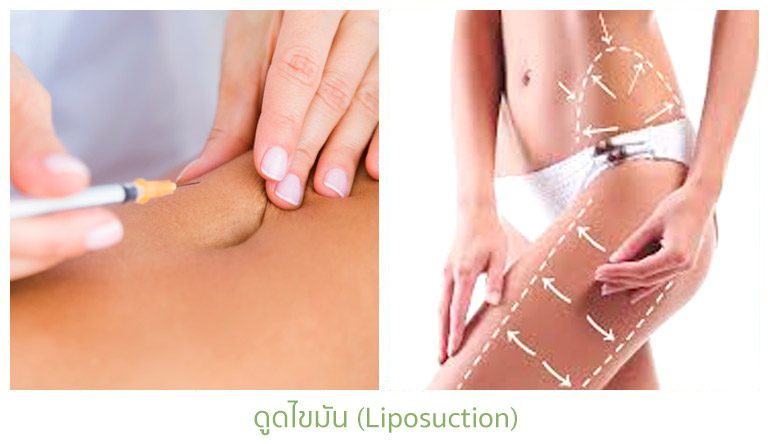
Who liposuction suits
Liposuction reshapes the body; it is not a way to lose weight. The volume that can be removed in a single session is 2–4 litres depending on body weight, which weighs only 2–3 kilograms. Suitable candidates have a BMI of no more than 30, a weight that has been stable for at least 6 months, skin elastic enough to contract to the new contour, and localised fat on the abdomen, waist, upper arms, thighs, back, under the chin or the male chest that diet and exercise have not shifted. For those with very loose skin after pregnancy or major weight loss, liposuction alone may make the skin look looser, and the doctor will say so at the consultation and suggest alternatives such as skin tightening or excision of excess skin.
Techniques used
| Technique | How it works | Suits |
|---|---|---|
| Tumescent (the basis of every case) | A solution of local anaesthetic, adrenaline and saline is infused into the fat layer until it is firm, reducing bleeding | Every area, combined with the other techniques |
| Ultrasound-assisted | Sound waves break up fat cells before suction | Dense or fibrous fat such as the back and flanks, and repeat liposuction |
| Radiofrequency-assisted (RF) | Breaks down fat and heats the layer beneath the skin to stimulate contraction | Slightly loose skin, such as the upper arms, under the chin and the post-pregnancy abdomen |
| Laser-assisted | An optical fibre breaks down fat and seals small vessels at the same time | Small areas needing precision, such as under the chin and the knees |
Preparing for surgery
- Full blood tests including clotting, liver, kidney and blood sugar, plus an ECG for those over 40 or having several areas treated
- Stop aspirin, NSAIDs, fish oil, high-dose vitamins C and E and herbal supplements that increase bleeding for 2 weeks
- No smoking or alcohol for 2–4 weeks
- Have a compression garment ready in the size the clinic recommends, and arrange for someone to take you home
- No food or drink for 8 hours if sedation or general anaesthesia is to be used
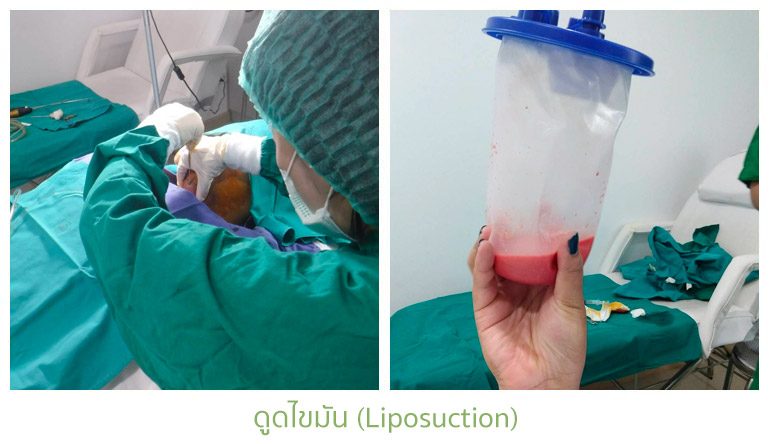
Surgery day
Recovery
Possible risks include uneven or rippled skin, numbness lasting several months, fluid collections (seromas) that need draining, infection, skin darkening and, rarely but seriously, blood clots or fat embolism. Go to hospital immediately if you have difficulty breathing, chest pain, a swollen and painful leg on one side, a red, hot wound with pus, a high fever, faintness, or rapidly increasing tight, hard swelling on one side.
Related services
Fat freezing
A non-surgical option for thin to moderate fat layers, reducing around 20–25% per session
Read more →Fat transfer
Uses the harvested fat to fill the face or backs of the hands on the same day
Read more →Body skin tightening
Tightens slightly loose skin after liposuction with radiofrequency
Read more →Frequently Asked Questions
How much weight will I lose with liposuction?
Not much. The 2–3 litres of fat removed weighs only 2–3 kilograms. What changes is your proportions and contour, not the number on the scales. If you want to lose weight, start with a weight-management programme first.
Will the fat come back?
The fat cells removed do not return, but the remaining cells can enlarge if you gain weight, and fat may accumulate more in other areas than before. Keeping your weight stable after liposuction is therefore important.
How long must I wear the compression garment?
24 hours a day for the first 3 days, then at least during the day until 4 weeks. The garment reduces swelling, prevents fluid collections and helps the skin contract smoothly to the new contour.
Does liposuction under the chin need a general anaesthetic?
No. The chin and jawline use a small volume of tumescent anaesthetic with sedation at the clinic, taking about 1 hour. A general anaesthetic at a partner hospital is used only for large volumes or several areas.
Will my skin sag after liposuction?
It depends on your skin's existing elasticity. Firm skin contracts to the new contour in 3–6 months. If the skin is already loose, the doctor will use RF or laser to help it tighten, or suggest considering excision of excess skin instead.
 WhatsApp
Related services
Cosmetic Surgery
Nose, chin, eyes, dimples, lips, breasts, fat grafting and liposuction by our surgical team
Skin & Laser
Melasma, freckles, dark spots, acne, acne scars, pores, hair removal and mole removal with multiple laser systems
Injectables & Skin Rejuvenation
Anti-wrinkle injections, HA filler, skin boosters, collagen stimulators, PRP and fat-dissolving injections